As parents, we always want the best for our kids. But is what we think is “the best” really best for them?
Generation X was raised by Baby Boomers—people who had just survived World War II. The world was recovering, food was scarce, and life was tough. Baby Boomers wanted the best for their children, but their standards were shaped by hardship. Their kids grew up resilient, though perhaps not as tough as those born in the immediate aftermath of the war.
Then came Generation X, growing up in a time of economic boom and relative comfort. Many of us felt life was hard and promised ourselves we would spare our children from suffering. But was shielding them from hardship really the best choice?
In China, there’s a term for this generation of pampered children: the “little emperors” and “little princesses.” I can relate. I remember studying abroad in Australia; my parents warned me against waitressing because it would be embarrassing if a friend saw me. Little by little, these ideas shaped my mindset: some jobs were “too low” for me, walking in the rain felt unnecessary when I could be driven, running in the rain felt like suffering to avoid.
Decades later, after living in Australia—a place with relatively small gaps between rich and poor—I realized those experiences I once avoided were part of life’s fun and lessons. Learning about the hardships of World War II, seeing people survive with barely enough food, gave me a new perspective.
I now believe children should be toughened—not spoiled. But it’s not easy. Society judges, and there are always people with a “savior complex” trying to shield children from every discomfort.
I once saw a video where a boy lost a soccer match. The father refused to buy him ice cream. A stranger intervened, insisting the boy deserved a treat even though he lost—and even offered to buy it himself. At first glance, it seems kind. But what lesson does this teach? That you’ll be rewarded even when you fail? This mindset—“everyone gets a trophy”—erodes the very purpose of effort and competition.
And now, with Generation Z, we see the results of overprotection. Complaints abound that young people don’t want to work hard but expect lots of benefits. Parents step in at every turn: if a child is bullied, they intervene; if a child needs a job, they secure it for them. When do children learn to navigate life for themselves?
Check the photo below—judge for yourselves.
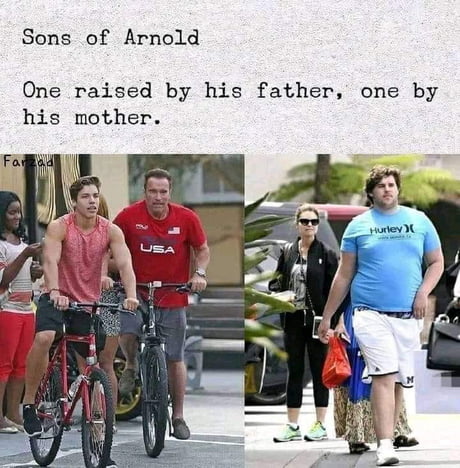
When we aim to give our kids the best, softening life’s hardships and shielding them from pain is not the way. In fact, it only prolongs the problem. True preparation for life comes not from protection but from allowing them to face challenges, build resilience, and discover the value of their own effort.